- HerbSpace
- Thu,01 1970
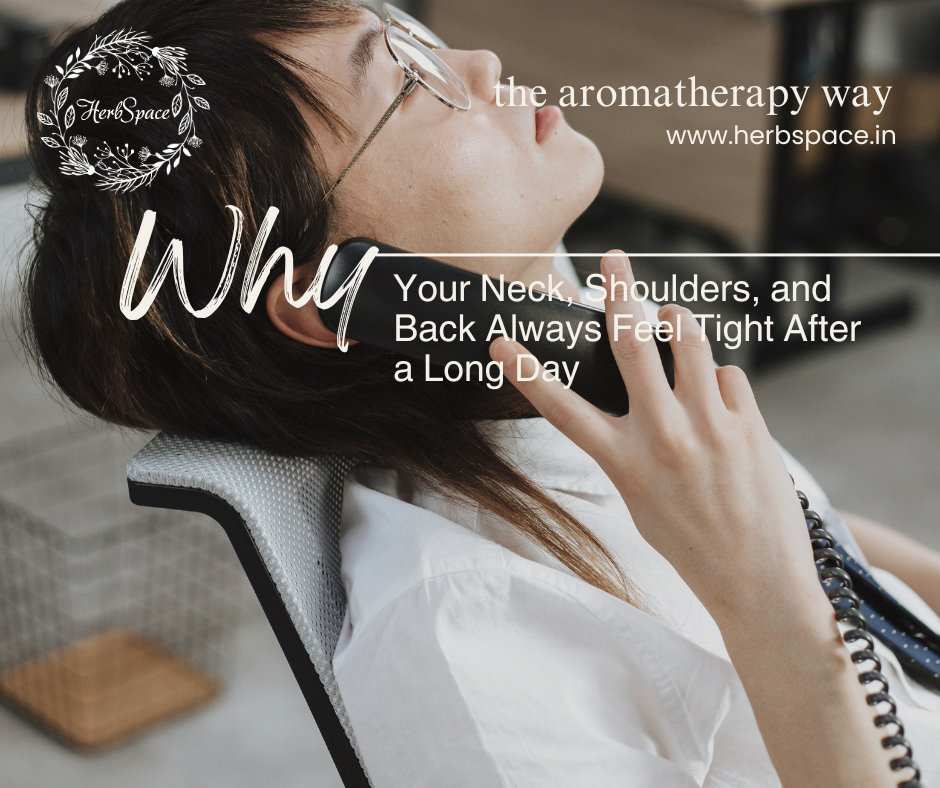
Why Your Neck, Shoulders, and Back Always Feel Tight After a Long Day
We often think of stress as something that happens in our minds.
A busy inbox.
A difficult meeting.
A long to-do list.
A week that feels just a little too full.
But the body experiences stress differently.
It doesn't care whether the tension came from a deadline, a difficult conversation, a long commute, or hours spent hunched over a laptop. It simply responds.
And it remembers.
That's what we've forgotten.
The Modern Habit of Ignoring Discomfort
Most of us have become experts at pushing through.
We work through stiff shoulders.
We ignore the tightness in our necks.
We tell ourselves we'll stretch later.
We'll rest on the weekend.
We'll take care of it when things calm down.
But discomfort has a way of accumulating.
The body adapts to what we repeatedly ask of it. Long periods of sitting become tight hips. Hours spent looking down at screens become neck tension. Stress that isn't released often settles into the shoulders, jaw, and back.
Over time, what was once occasional discomfort starts to feel normal.
That's when we stop noticing it.
Sitting Still Isn't the Same as Resting
Many people spend the day moving very little and still feel exhausted.
That can seem confusing.
After all, if we're not physically active, why do our bodies feel so tired?
The answer is that recovery is about more than simply stopping.
Our bodies were designed for movement, variation, and periods of restoration. Remaining in the same position for hours can place continuous stress on muscles and joints, even when the activity itself doesn't feel demanding.
The result is often stiffness, tension, and fatigue that seem to appear without explanation.
But the explanation is usually hidden in the small things we do every day.
What Your Body Might Be Trying to Tell You
That tightness between your shoulders.
The ache in your lower back.
The stiffness when you first stand up.
The tension in your neck after a long day.
These aren't signs that your body is failing you.
They're signs that your body is communicating with you.
Pain and discomfort are often messages rather than enemies.
They remind us that something needs attention.
More movement.
More recovery.
More awareness.
More care.
Recovery Is Not Just for Athletes
When people hear the word "recovery," they often think of intense workouts and professional sports.
But recovery belongs to everyone.
Anyone who works at a desk.
Anyone who spends hours on their feet.
Anyone carrying physical tension.
Anyone navigating stress.
Recovery isn't a luxury.
It's maintenance.
It's the process of helping the body return to balance after the demands of daily life.
Small Rituals Matter
Many of us wait until discomfort becomes impossible to ignore before we respond.
But recovery works best when it becomes a routine rather than a rescue mission.
A short walk.
A few minutes of stretching.
A warm shower at the end of the day.
A gentle self-massage.
A moment dedicated to releasing tension instead of carrying it into tomorrow.
These actions may seem small, but their effects often compound over time.
Just as tension accumulates gradually, relief often arrives gradually too.
A Simple Evening Recovery Ritual
If your neck, shoulders, or back tend to hold onto the day's stress, try this simple routine:
1. Step away from screens for a few minutes.
2. Stretch your neck, shoulders, and back gently.
3. Take a short walk around your home or outside.
4. Apply Muscle Pain Relief Oil and massage areas of tension.
5. Take several slow breaths and allow your body to relax.
The goal isn't perfection.
The goal is simply to remind your body that the workday is over.
Things We Forgot #02
We forgot that discomfort isn't something to wear as a badge of honor.
We forgot that pushing through isn't always strength.
We forgot that our bodies are constantly communicating with us.
Most importantly, we forgot that recovery is part of living well.
Your body keeps score.
The question is whether we're paying attention.
Featured
-
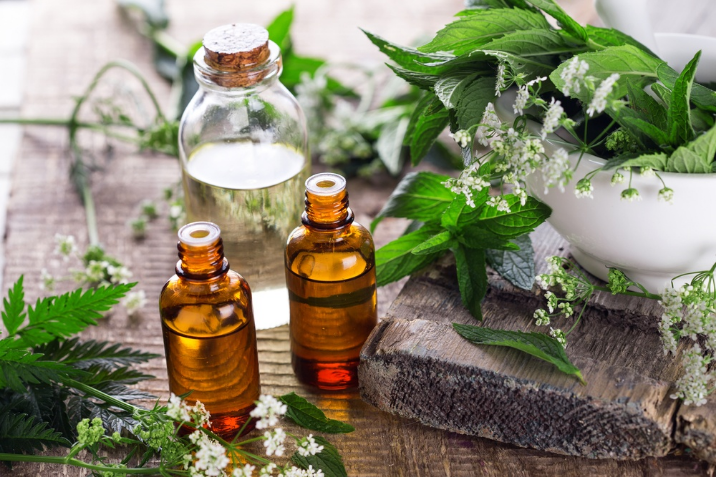
Add a few drops of your favorite essential oil into your Shampoo or face wash and enjoy the benefits of aromatherapy” Easy peachy right? Well, not really!!! Before you roll your eyes and go “What are you talking
Read More... -

Add a few drops of your favorite essential oil into your Shampoo or face wash and enjoy the benefits of aromatherapy” Easy peasy right? Well, not really!!! Before you roll your eyes and go “What are you talking
Read More... -

In this blog series, we will learn all the important aspects related to essential oils. Let's start with what essential oil, concrete, resinoid, and absolute
Read More... -
Over the past few years, the market for essential oils has significantly grown. And, they are going to be the next big thing in the future. Essential oils undoubtedly have some unbeatable therapeutic properties that
Read More...